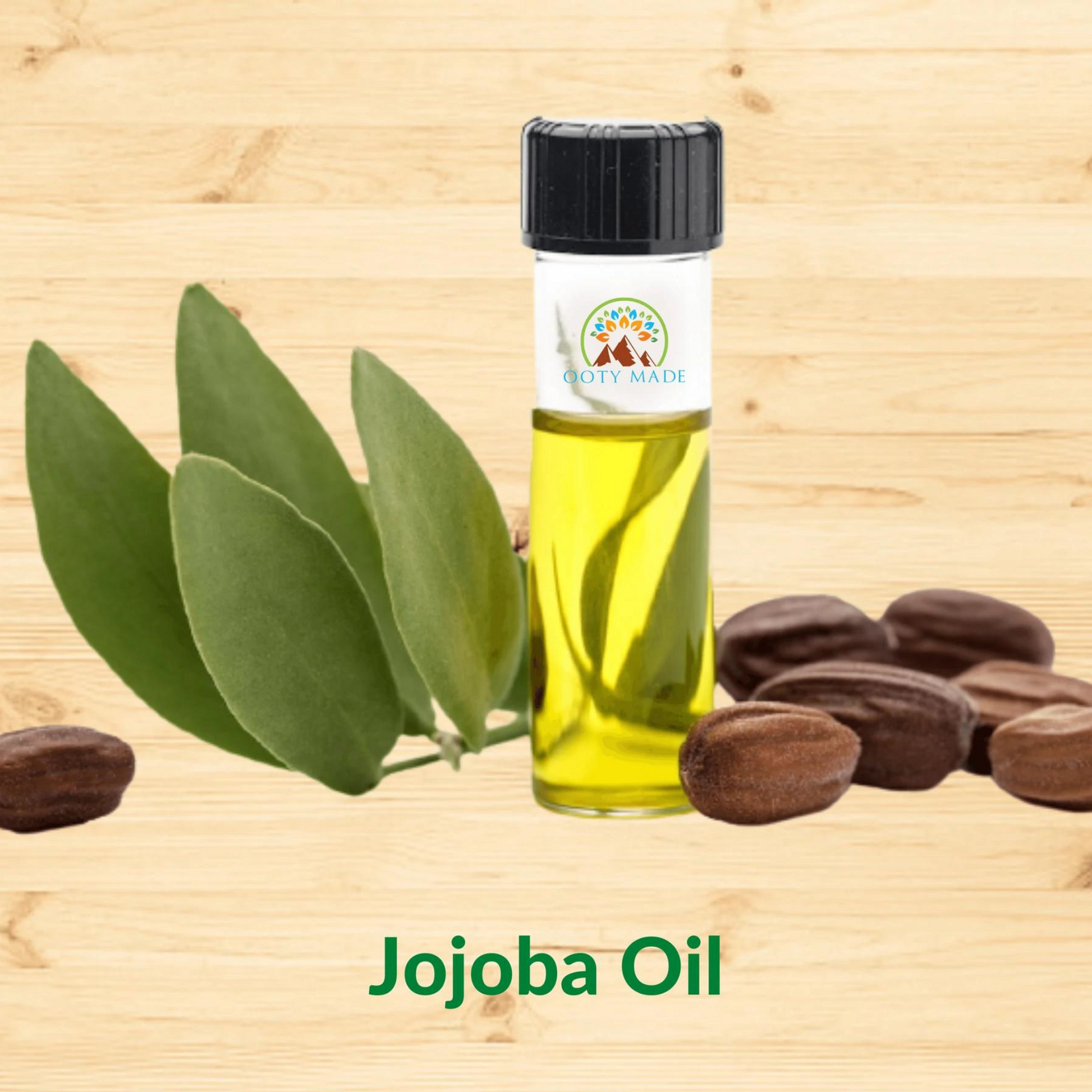
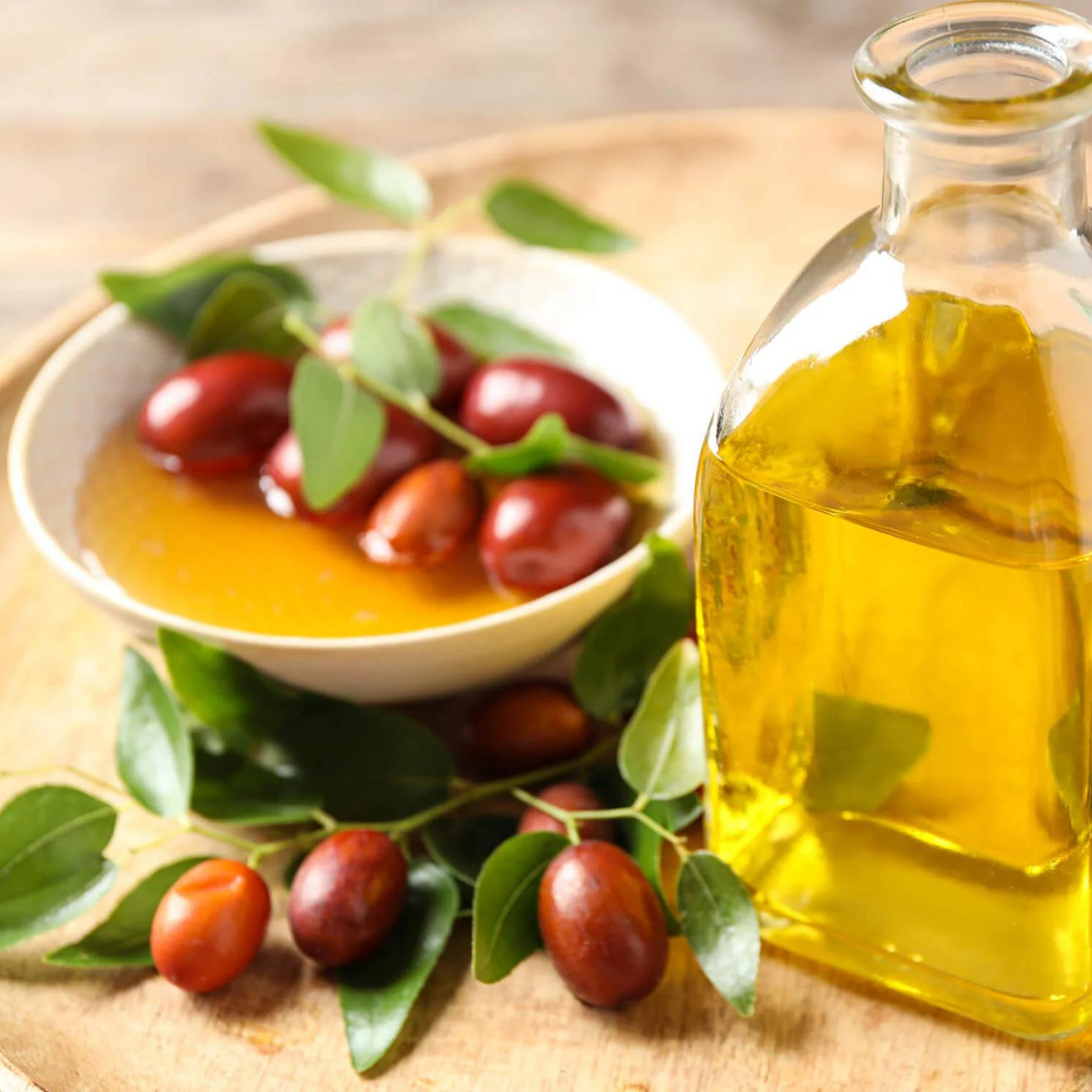
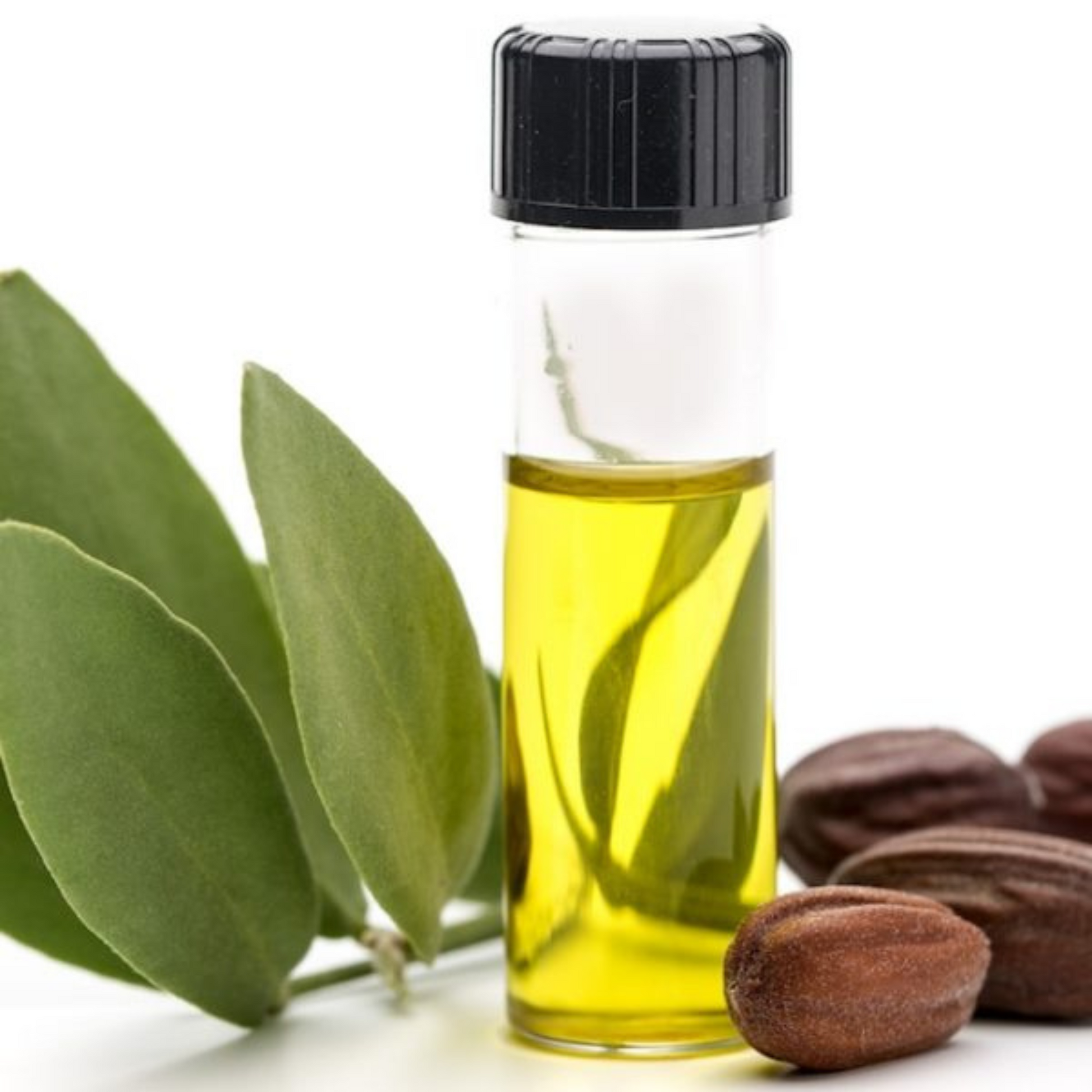
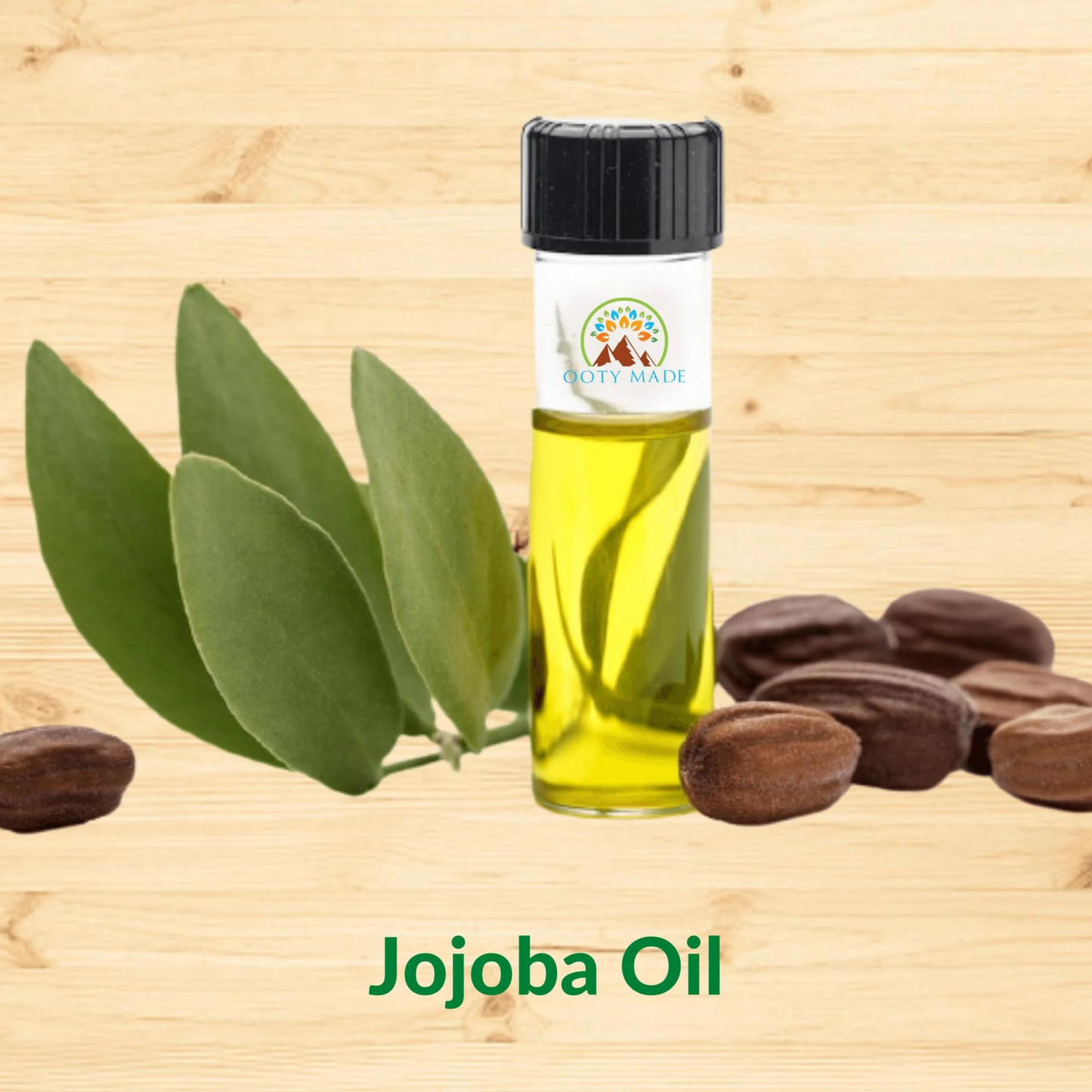
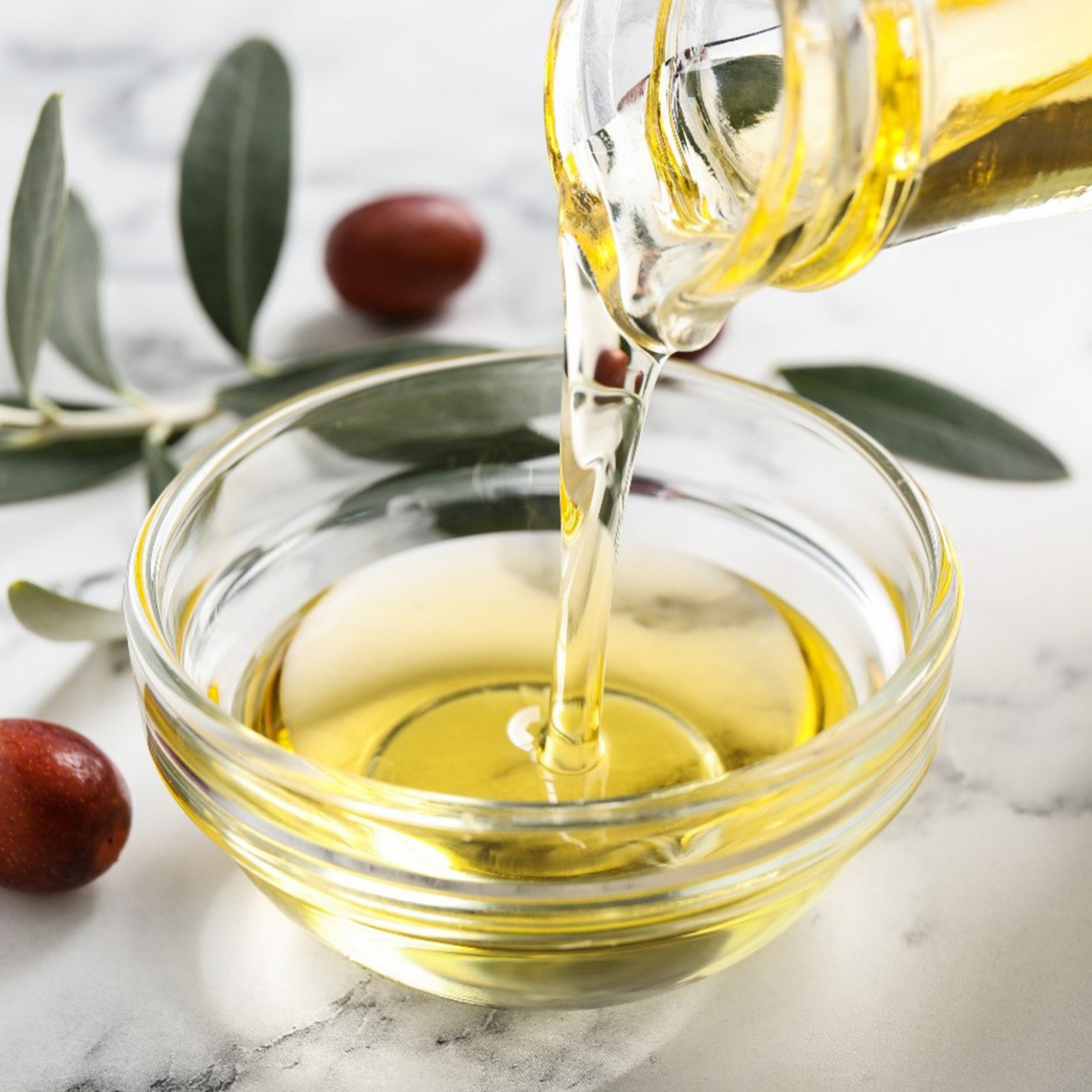
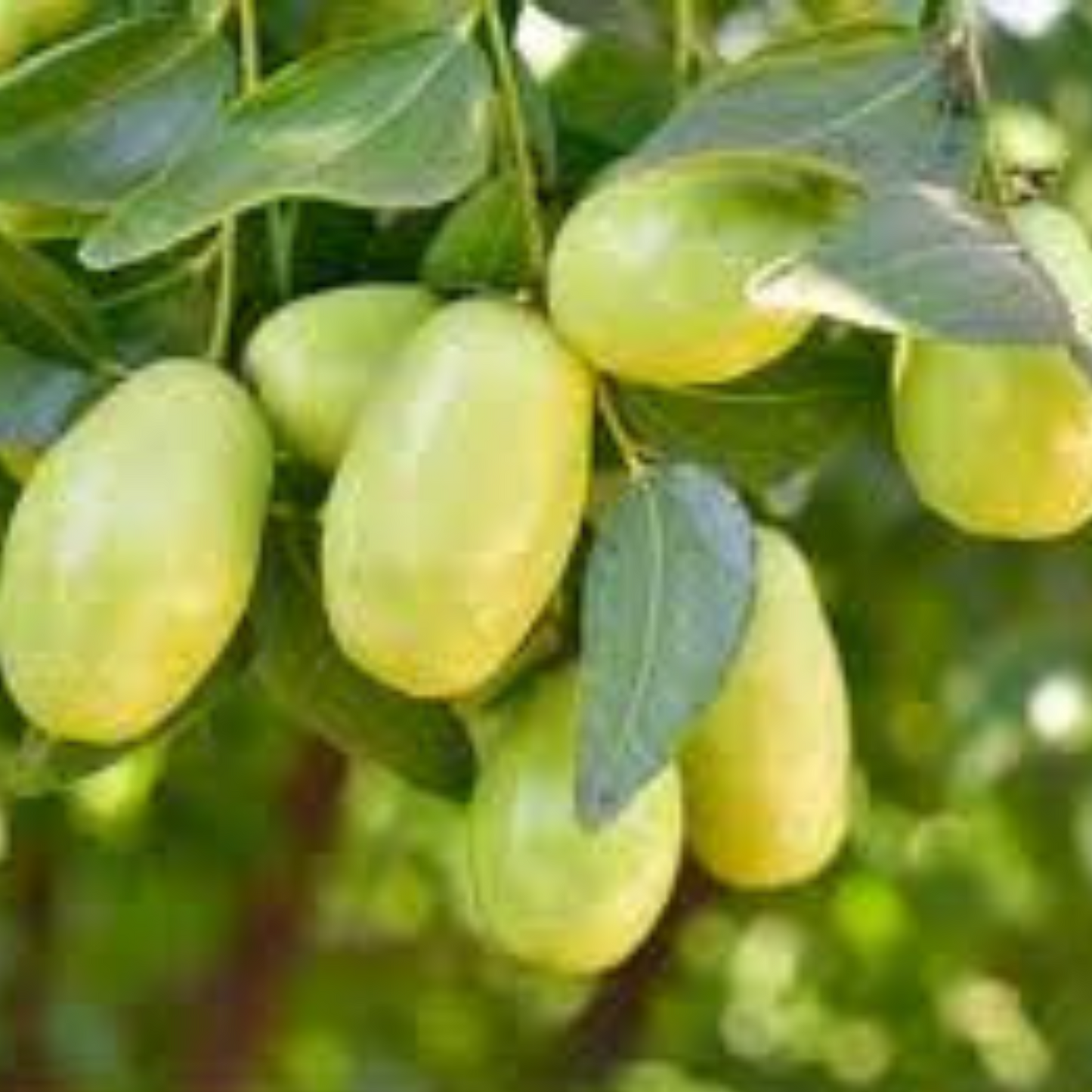
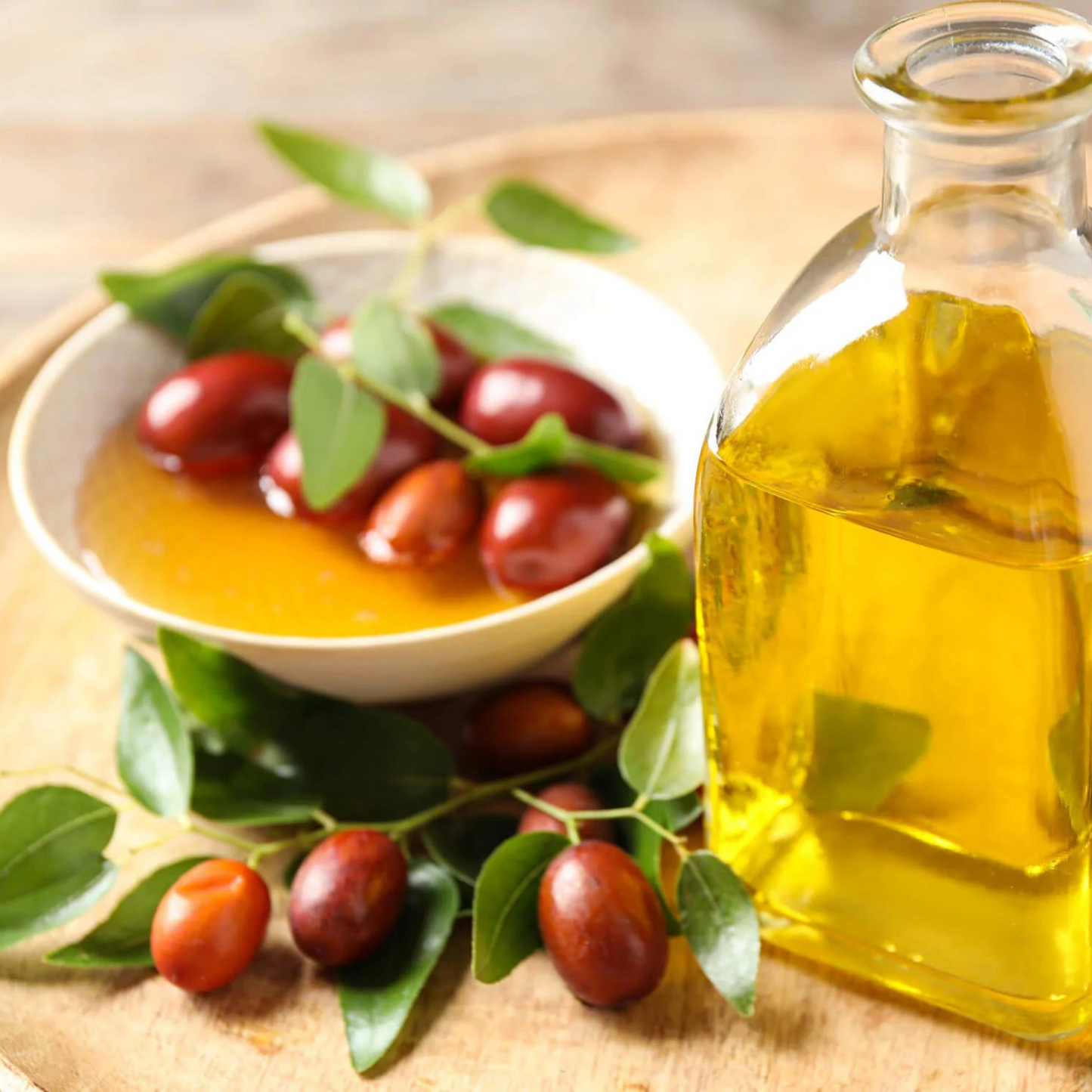
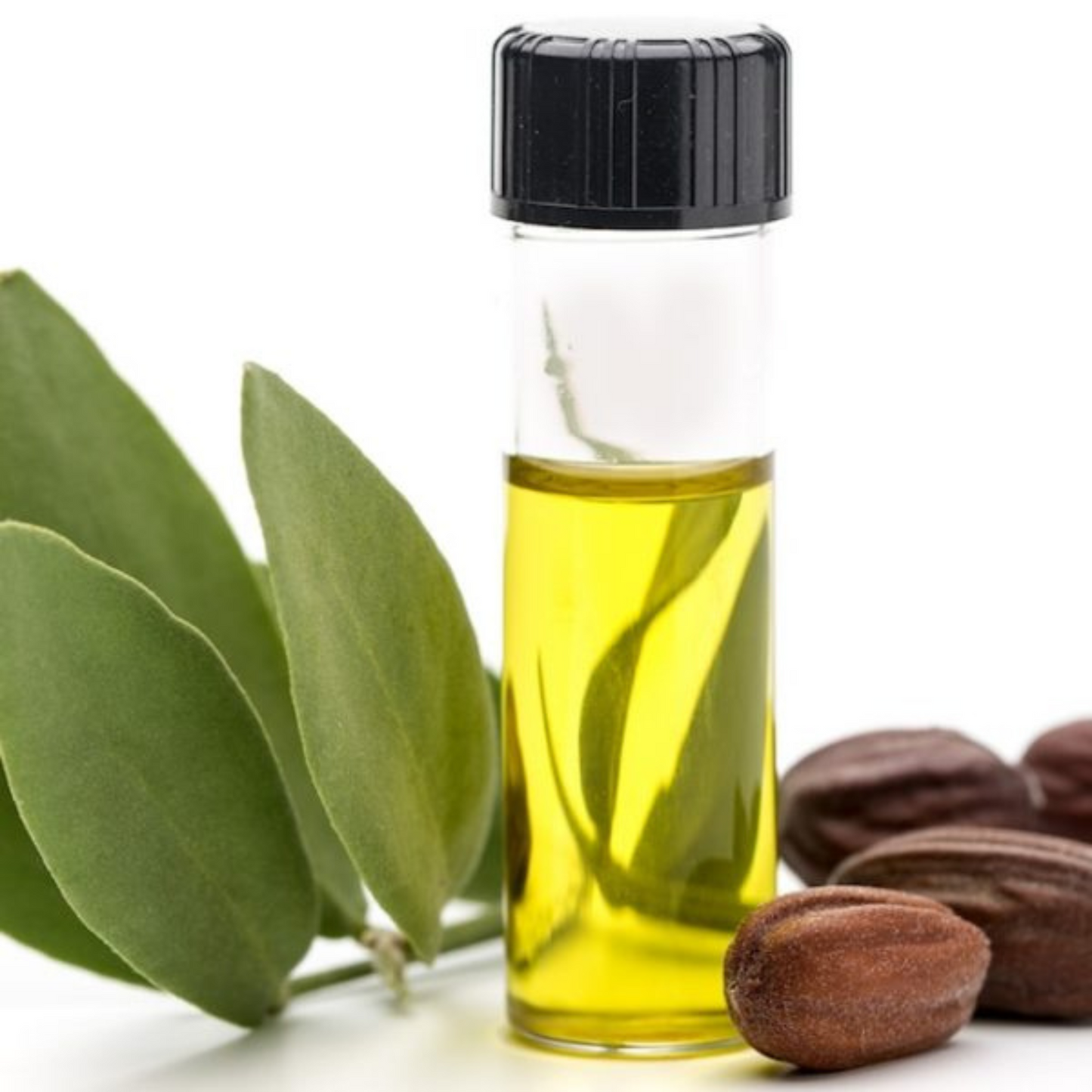
Jojoba is not technically an oil — it is a liquid wax, structurally similar to human sebum in a way that no other plant-based oil can match. This molecular similarity is what makes jojoba uniquely effective: the skin's sebum receptors accept it without triggering excess oil production (which is why it is a popular choice for oily and acne-prone skin, not despite it), and it is non-comedogenic, so it feels light on the skin.
For anyone who has struggled with carrier oils that feel too heavy, block pores, or smell strongly — jojoba is the answer. Technically a wax, functionally a perfect skin and hair carrier.
🔬 Biochemically Similar to Human Sebum — Jojoba is a liquid wax ester — the same molecular structure as the natural sebum human skin produces. The skin accepts it readily, so it sits comfortably with the skin's own oil balance.
✨ Non-Comedogenic — Gentle on All Skin Types — Known among carrier oils for being light and non-pore-blocking. Moisturises without feeling heavy, and its sebum-like quality helps skin feel balanced.
💇 A Favourite Carrier for Hair Care Essential Oil Blends — The light, dry texture means it distributes essential oils evenly across the scalp without the greasiness of heavier oils. A popular carrier for rosemary, peppermint, and lavender hair care blends.
🧔 Beard Conditioning and Softening — Pure jojoba oil is the primary ingredient in most premium beard oils — it conditions coarse beard hair, moisturises the skin underneath, helps ease beard itch and flaking.
🌿 Extends the Shelf Life of Essential Oil Blends — Unlike many carrier oils, jojoba does not go rancid (it is a wax, not a fatty acid oil). Blends made with jojoba as the carrier last significantly longer than those made with standard oils.
👶 Gentle Enough for Sensitive and Baby Skin — Fragrance-free and light on the skin. Used as a base in natural baby skincare formulations.
❓ Frequently Asked Questions
If jojoba is a wax, why does it feel like oil?
At room temperature, the wax esters in jojoba are liquid — giving it the feel and pourability of oil. In cold conditions it solidifies. This liquid wax state is what makes it unique and valuable for skincare — the same molecular structure as sebum but in a stable, long-lasting form.
Why is jojoba recommended for acne-prone skin when most oils are avoided?
Because jojoba is non-comedogenic (does not block pores) and mimics sebum, many people with oily or acne-prone skin find it a light, comfortable moisturiser. It moisturises without feeling heavy or greasy.
What essential oils work best with jojoba as a carrier?
Jojoba pairs well with essential oils and is a favourite carrier for scalp and hair applications: rosemary (hair care), peppermint (refreshing scalp massage), lavender (soothing), and tea tree (scalp care).
How is jojoba different from sweet almond oil as a carrier?
Both are excellent carriers. Jojoba is lighter, non-comedogenic, and has a much longer shelf life (does not go rancid). Almond oil is richer, slightly heavier, and better for very dry skin. For oily or combination skin, jojoba is the better choice. For dry, mature, or baby skin, almond oil is often preferred.