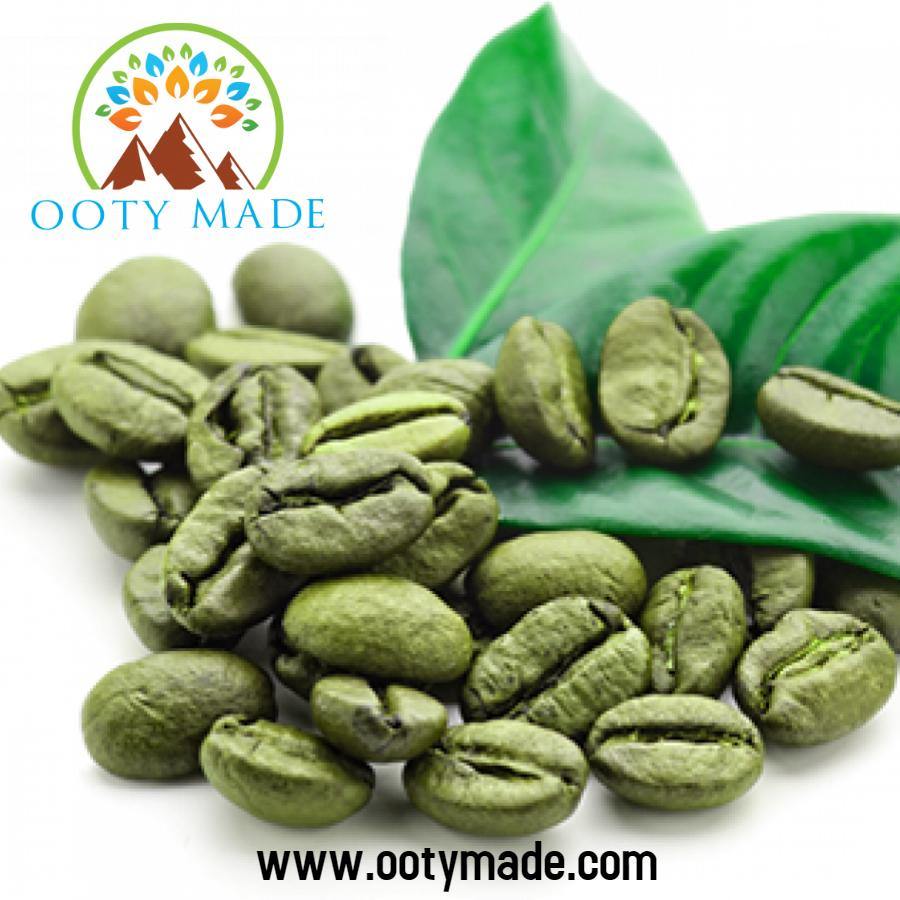

Nilgiris Green Coffee Beans 500g — Raw Unroasted Arabica | OotyMade
Nilgiris Green Coffee Beans 500g — Raw Unroasted Arabica | OotyMade
Couldn't load pickup availability
Description
Coffee before the roast. The bean in its natural state.
Nilgiris Green Coffee Beans 500g are raw, unroasted 100% Arabica from Nilgiris estates at 1,000–1,500 metres — sealed and shipped without exposure to roasting heat. The chlorogenic acid (the compound green coffee is best known for) is preserved at maximum levels, because roasting is what destroys it.
Use them to make a daily green-coffee drink, grind them into smoothies, or roast them at home to your exact preferred level. The choice is yours — we hand you the raw material.
🌿 100% PURE ARABICA, UNROASTED — raw beans direct from Nilgiris estates. No Robusta blending. No processing beyond cleaning and drying. The natural pale-green colour is the indicator of authenticity
🔬 MAXIMUM CHLOROGENIC ACID — roasting reduces chlorogenic acid by 60–80%. Unroasted green coffee preserves the full level, which is why raw green coffee is the preferred form for green-coffee drinks
⛰️ NILGIRIS ARABICA AT 1,000–1,500m — the elevation band where Arabica develops its full character. Slow cherry maturation in cool mountain conditions produces beans with concentrated active compounds
☕ VERSATILE — DRINK, GRIND, OR ROAST — brew as a green-coffee drink (15-minute slow simmer), add to smoothies, or roast at home to discover your ideal roast level
✅ FSSAI LICENSED · DPIIT RECOGNISED — OotyMade is Startup India and Startup TN certified. 9 years, 3 lakh+ orders, pan-India dispatch within 48 hours
Q1: How do I brew green coffee?
Coarsely grind 2 tablespoons of green beans. Add to 500ml water. Bring to gentle simmer (do not boil aggressively — high heat degrades chlorogenic acid). Simmer 10–15 minutes. Strain and drink — plain, with a slice of lemon, or with a teaspoon of honey. One cup, 20–30 minutes before breakfast, is a popular routine with people managing their weight as part of a balanced diet and active lifestyle.
Q2: What does green coffee taste like?
Quite different from roasted coffee. Green coffee tea is grassy, vegetal, slightly herbal — closer to a strong green tea than to a coffee. The familiar coffee flavour comes from the Maillard reaction during roasting; in raw green coffee, those compounds have not yet formed. Honey and lemon are common additions for first-time drinkers.
Q3: Can I roast these beans at home?
Yes — home roasting is one of the best uses of green coffee. Spread beans in a thin layer on a heavy pan over medium heat. Stir constantly. Listen for first crack (around 196°C — sounds like popcorn) for light roast; second crack (around 220°C) for medium-dark. Rest the beans 24 hours before grinding for best flavour.
Q4: How much caffeine does green coffee contain?
Approximately 20–40mg per cup of brewed green coffee — about half the caffeine of regular brewed coffee. Caffeine is heat-stable and is present in similar amounts before and after roasting. If you are sensitive to caffeine, green coffee is the gentler option; if you need a strong morning lift, roasted is better.
Q5: How long do green coffee beans stay fresh?
Up to 12 months stored properly — substantially longer than roasted beans, because the protective hard outer layer is intact. Store in an airtight container, away from light and moisture. Once you grind or roast them, the freshness window shrinks dramatically (4–6 weeks). Grind or roast only what you will use within a few weeks.
Share