

Charcoal Handmade Soap — Activated Charcoal Detox Bar | OotyMade
Charcoal Handmade Soap — Activated Charcoal Detox Bar | OotyMade
Activated charcoal. The cleansing ingredient hospitals use to absorb toxins.
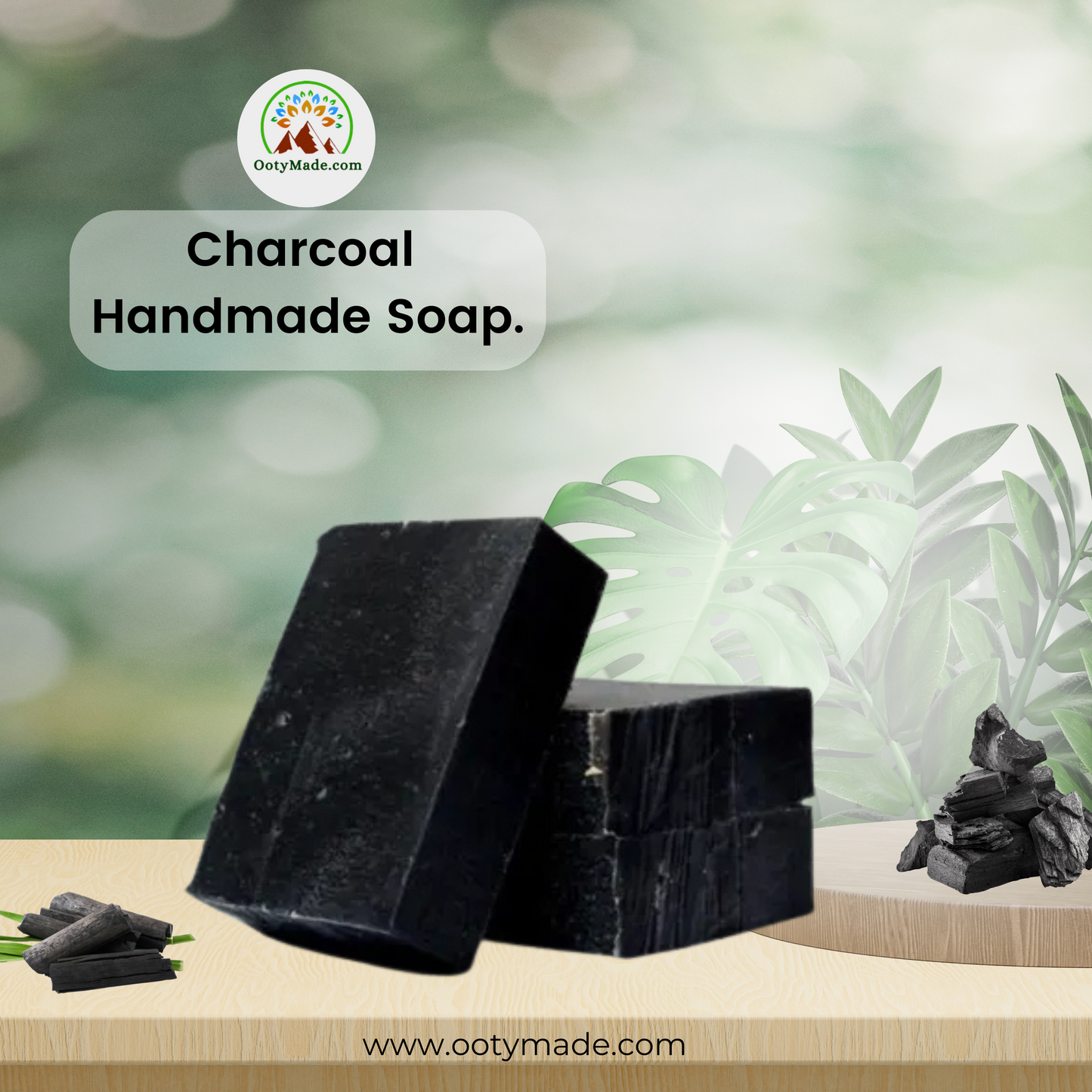
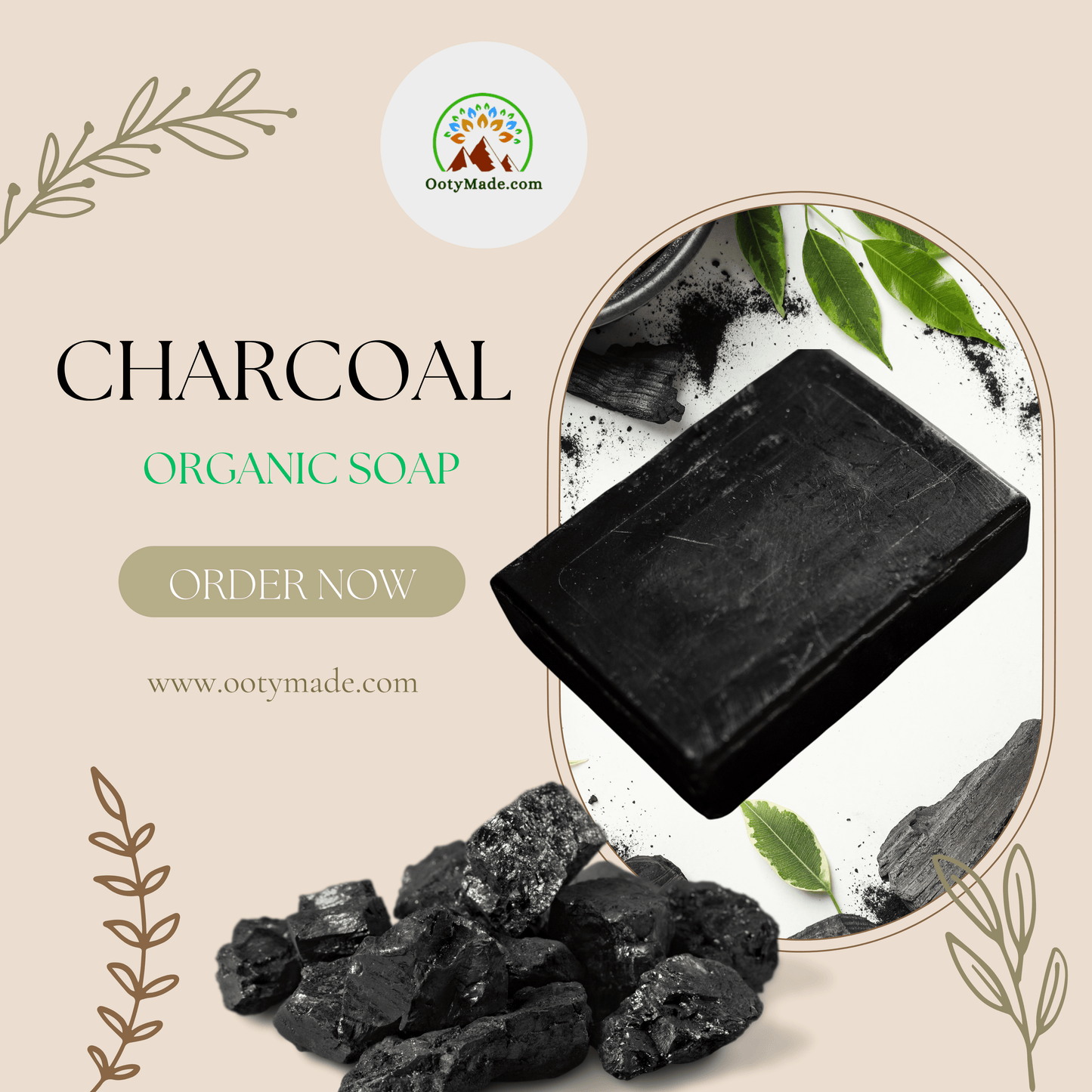
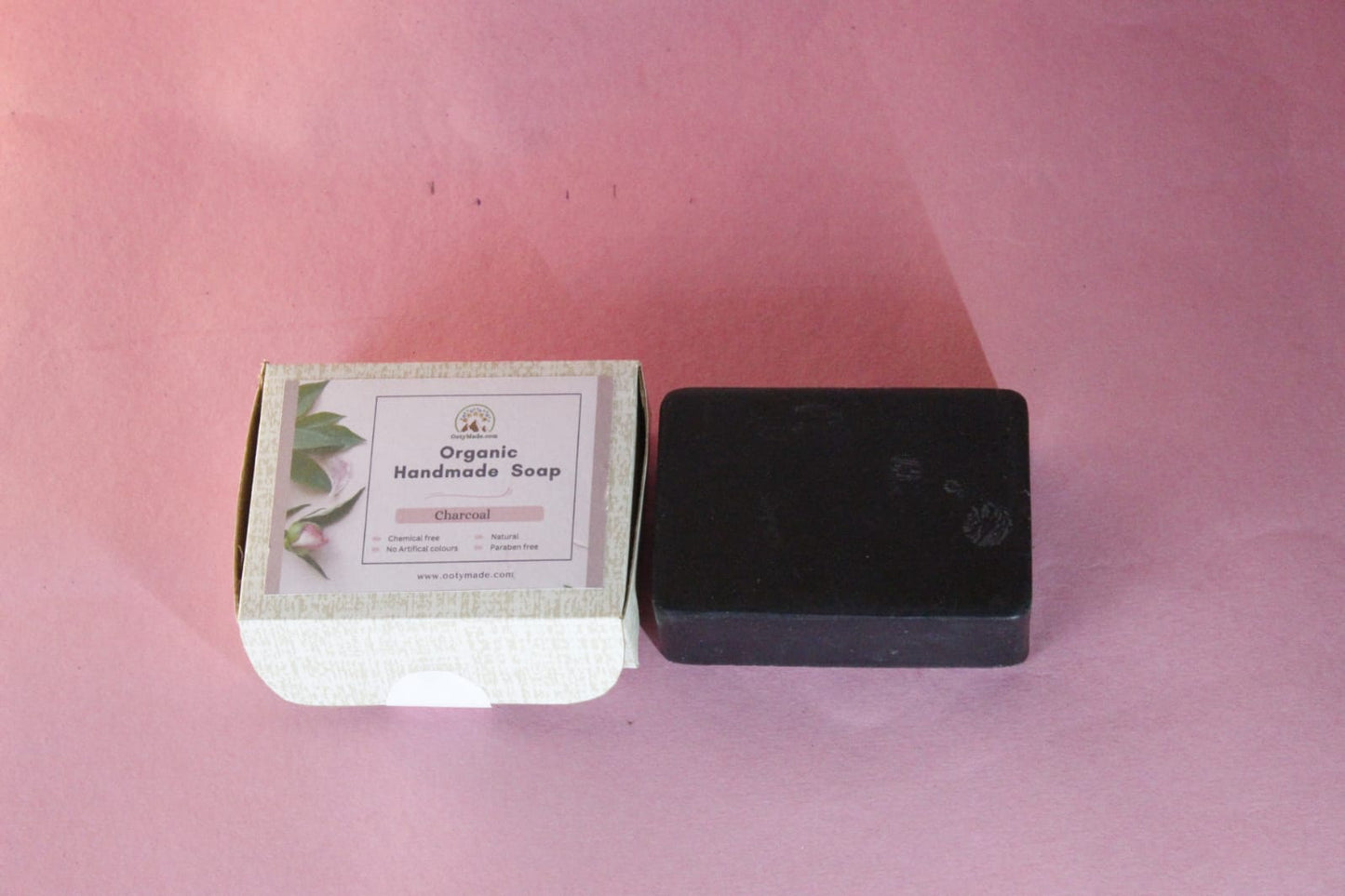
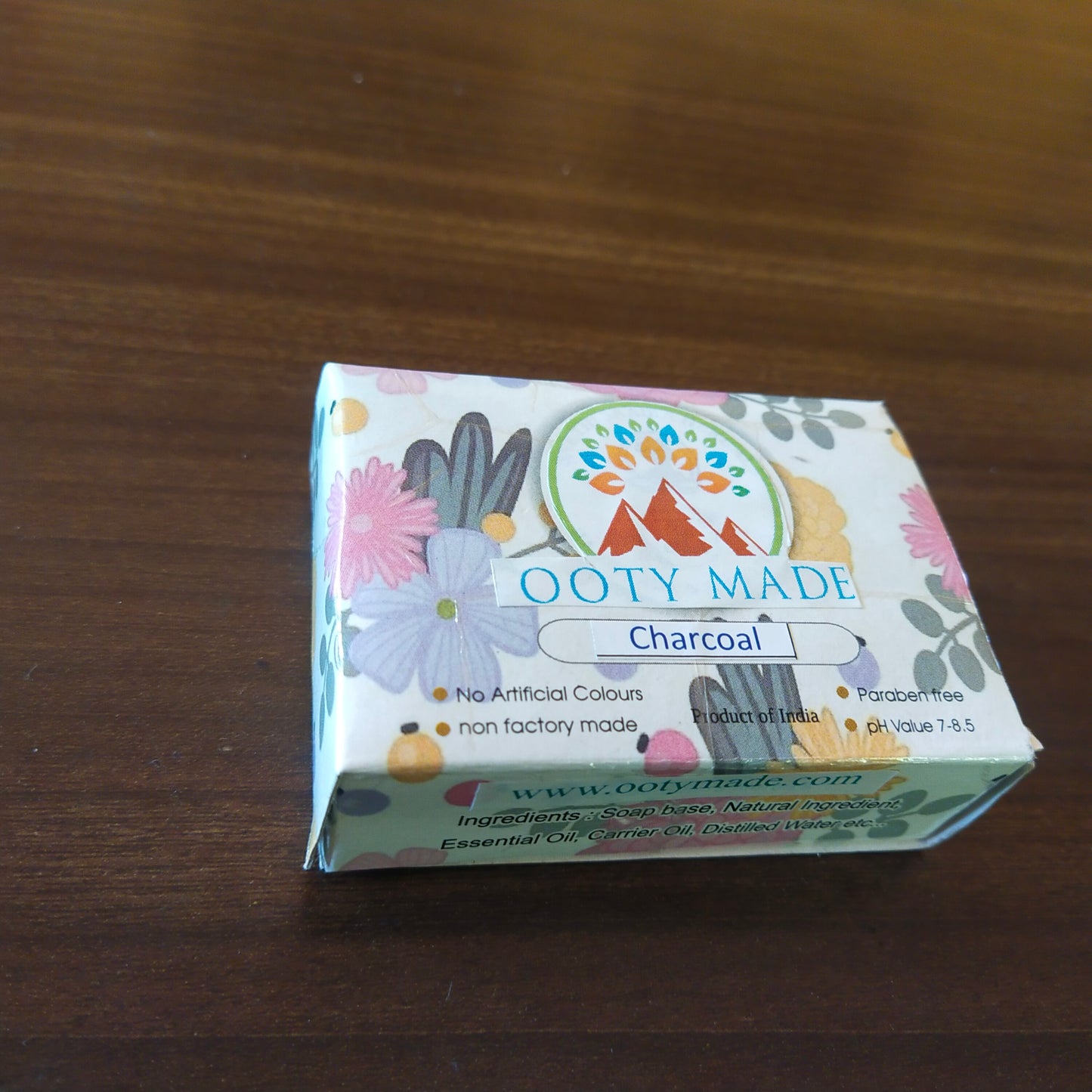
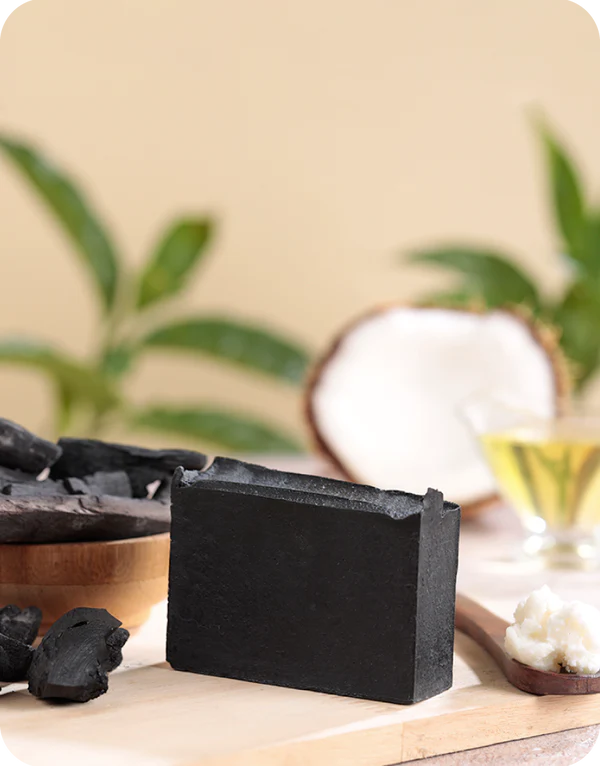
Charcoal Handmade Soap is cold-process soap made with activated charcoal (sourced from coconut shells) blended into a base of organic coconut, olive, and castor oils. Activated charcoal is the form of carbon used in hospital filters, water purifiers, and toxin-absorption treatments — the microscopic porosity that draws contaminants out of water also draws them out of skin pores.
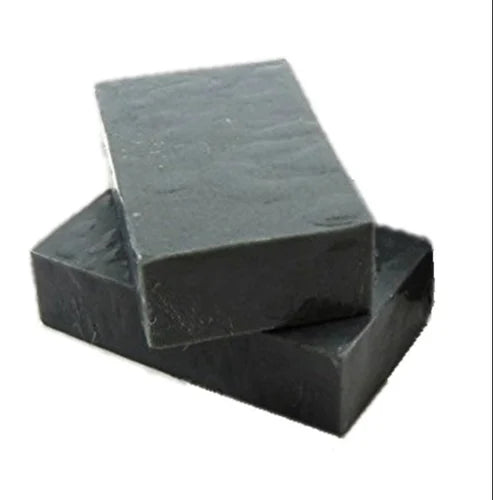
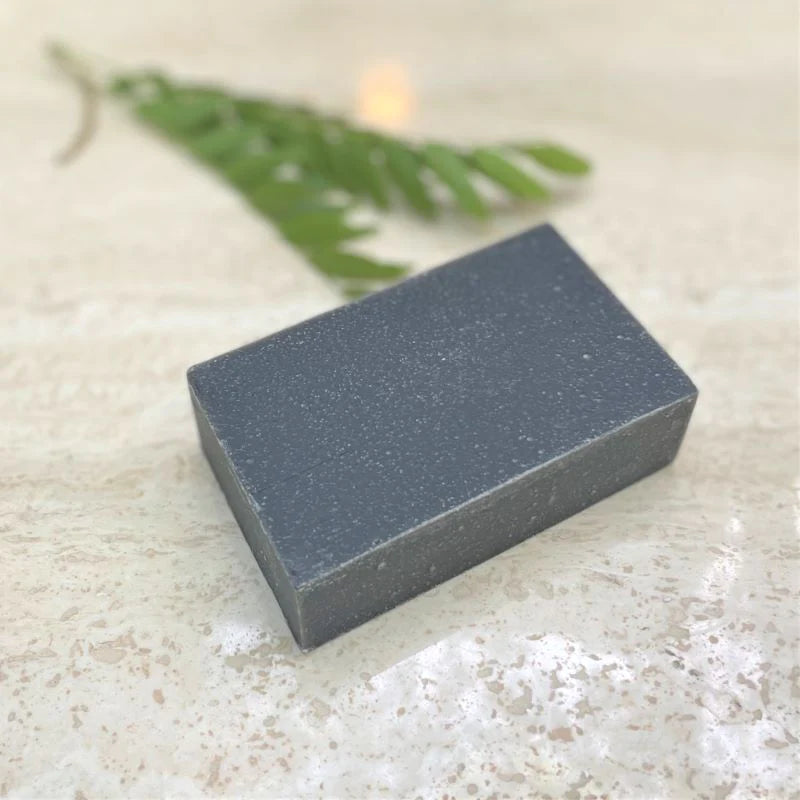
Especially suited to oily skin, acne-prone skin, and skin exposed to urban pollution. The grey-black colour is the activated charcoal itself — not a colourant.
🖤 ACTIVATED CHARCOAL FROM COCONUT SHELL — the same grade of activated carbon used in hospital filtration and water purifiers. Microscopic porosity allows it to bind dirt, oil, and pollution from skin pores
⚗️ COLD-PROCESS · GLYCERIN-RICH — hand-poured at low temperature, cured 4–6 weeks. Natural glycerin retained, unlike commercial soaps that strip it
❌ NO SLS, NO PARABENS, NO SYNTHETIC FRAGRANCE — absence of the harsh detergents and preservatives that disrupt skin pH and strip natural oils
🏙️ BUILT FOR OILY, ACNE-PRONE, OR URBAN-EXPOSED SKIN — the charcoal’s ability to absorb sebum, draw out pore-blocking debris, and bind environmental pollution makes this the specialist option for these skin concerns
✅ FSSAI LICENSED · DPIIT RECOGNISED — OotyMade is Startup India and Startup TN certified. Pan-India dispatch within 48 hours
Q1: What is activated charcoal and why is it good for skin?
Activated charcoal is carbon (usually from coconut shells or bamboo) that has been processed with steam at very high temperatures to create microscopic pores throughout the carbon structure. These pores have a vast internal surface area — a single gram of activated charcoal has more surface area than an entire football field. That surface area attracts and binds molecules through a process called adsorption (not absorption — the molecules stick to the surface). On skin, this means activated charcoal draws out pore-blocking sebum, dirt, and pollution particles.
Q2: Is charcoal soap good for acne?
Charcoal soap is particularly suited to oily and acne-prone skin because activated charcoal binds excess sebum and the pore-blocking debris that contributes to acne formation. Regular use (once or twice daily) on the face can reduce visible blackheads, minimise pore appearance, and reduce shine. It is not an acne medication — severe acne requires dermatological treatment — but as part of a basic skincare routine for mild-to-moderate acne, it is widely used and effective.
Q3: Will the black colour stain my bathroom or skin?
No. Activated charcoal in soap binds to dirt and rinses away cleanly — it does not stain skin, towels, or bathroom surfaces. The grey lather rinses to clear water, and your skin will not be stained. If your skin appears slightly grey immediately after washing, that is the soap residue — rinse one more time to remove it.
Q4: Is charcoal soap drying?
Less drying than commercial soaps because of the retained glycerin from the cold-process method and the nourishing organic oils in the base. For very dry skin types, however, daily face use may still feel slightly drying — the charcoal is doing its job of removing oil. For dry skin, use 2–3 times per week rather than daily, and always moisturise afterward. For oily and combination skin, daily use is fine.
Q5: How do I store the bar to make it last?
Keep on a draining soap dish — do not leave sitting in water. Let it dry between uses. A bar that stays dry between uses lasts approximately twice as long as a bar that stays wet. Most users find one bar lasts 4–6 weeks for face-only use, 3–4 weeks for face and body. Unopened bars store well for 12–18 months in a dry place away from direct sunlight.
Product features
Product features
Materials and care
Materials and care
Merchandising tips
Merchandising tips
Share